





One Clean Line of Ice
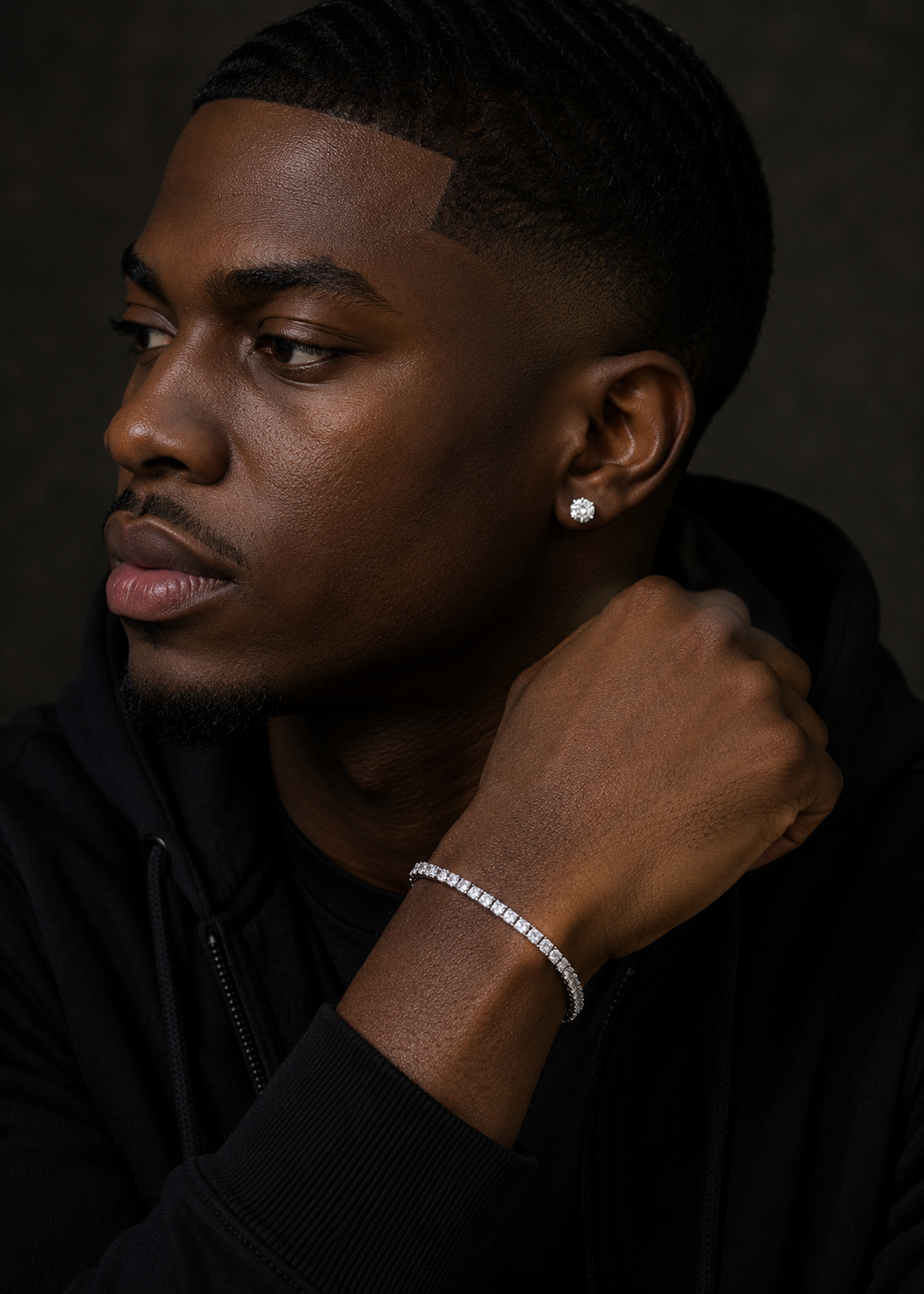
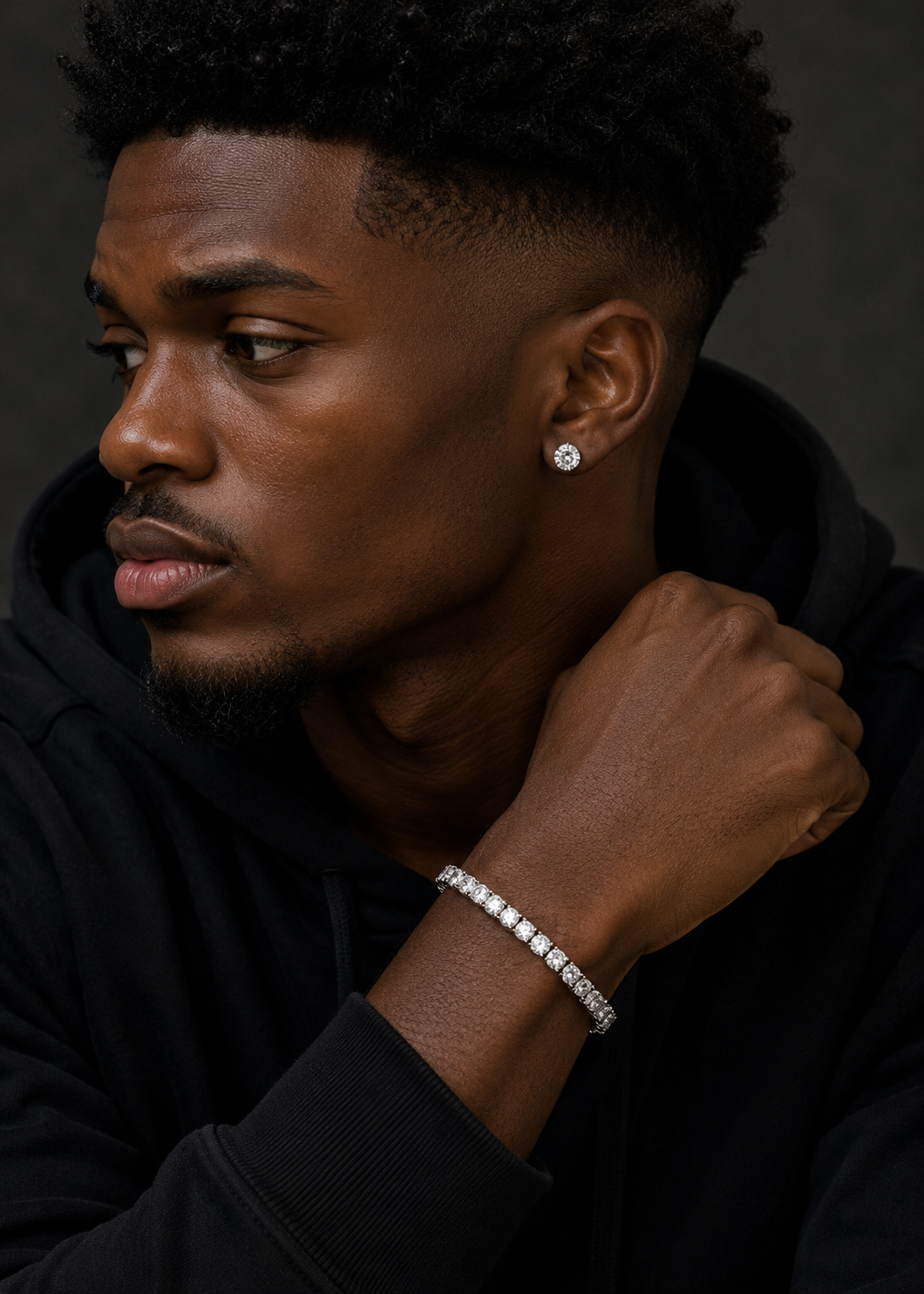
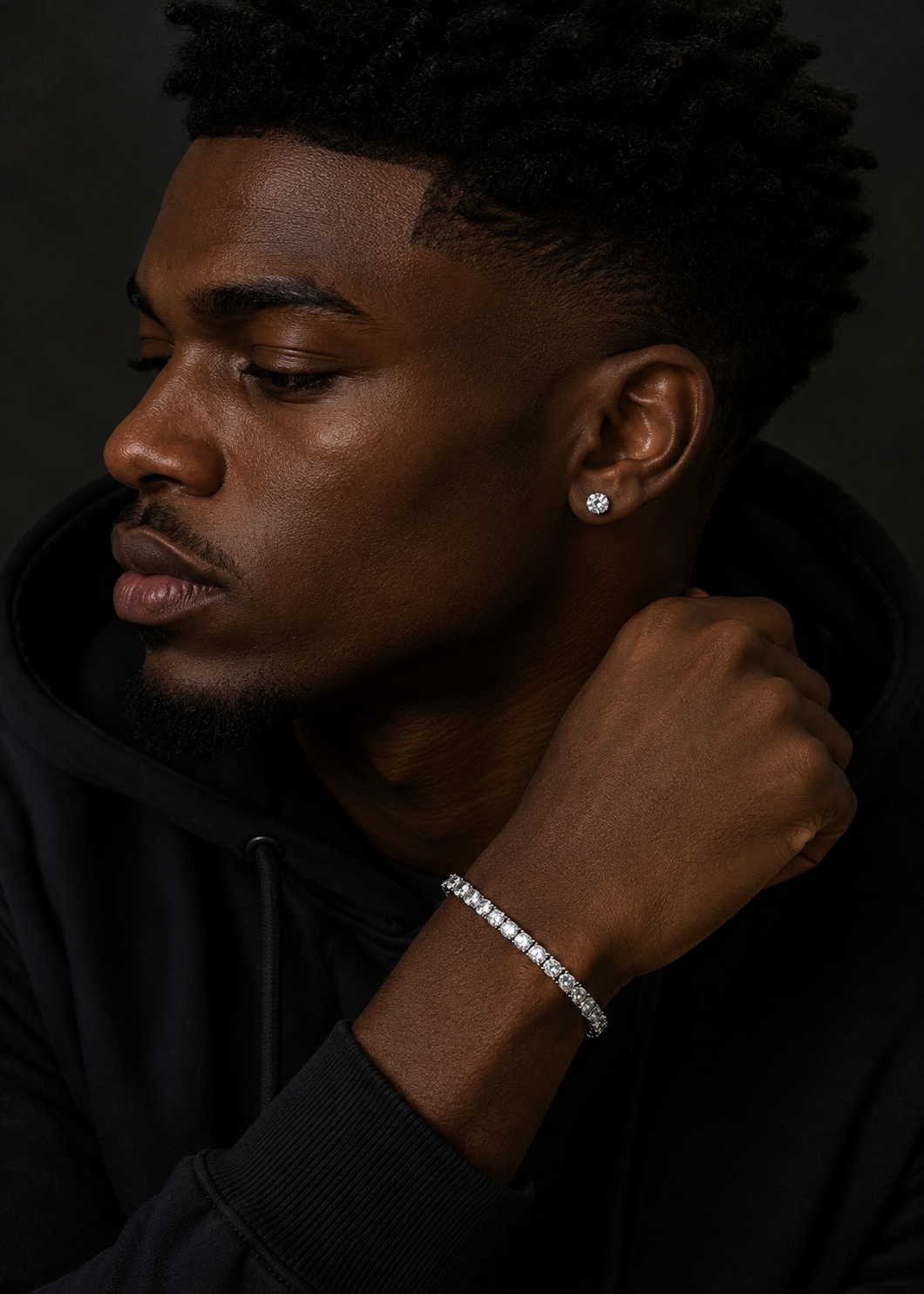
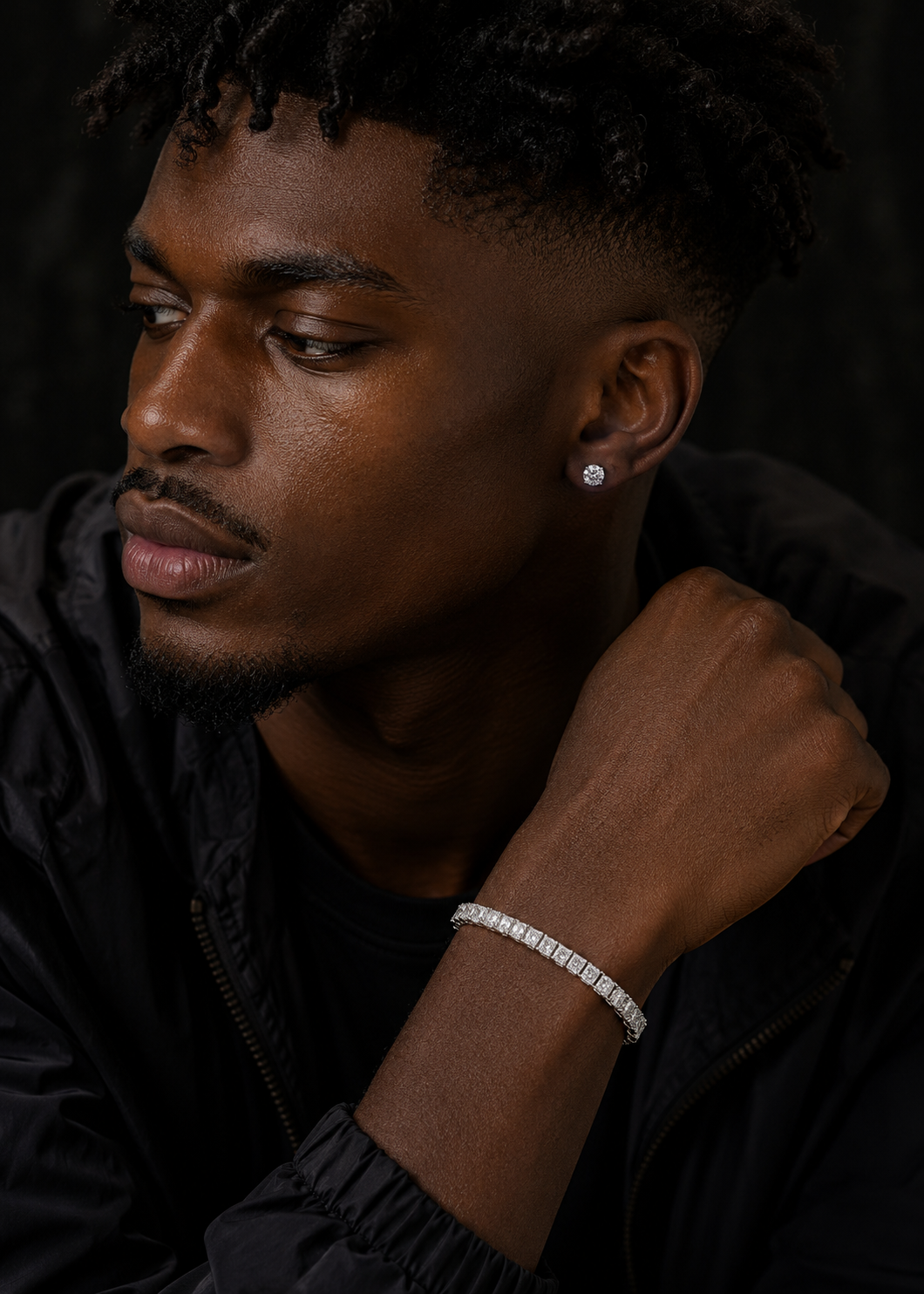
A tennis bracelet is one unbroken row of lab grown diamonds tracing the wrist — every stone grown above ground, not mined, and cut to throw light with each turn of your hand.









Inside the Collection
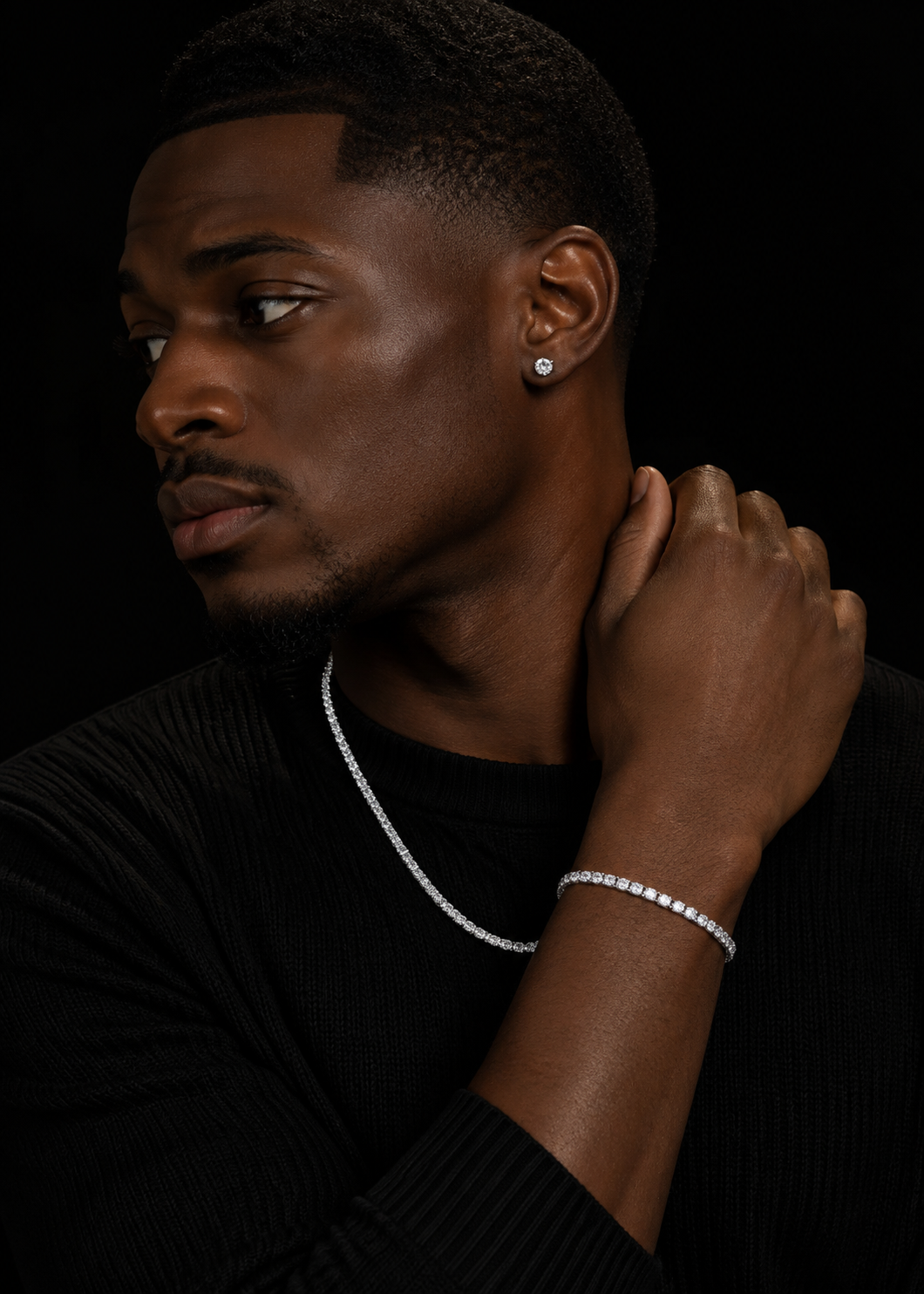
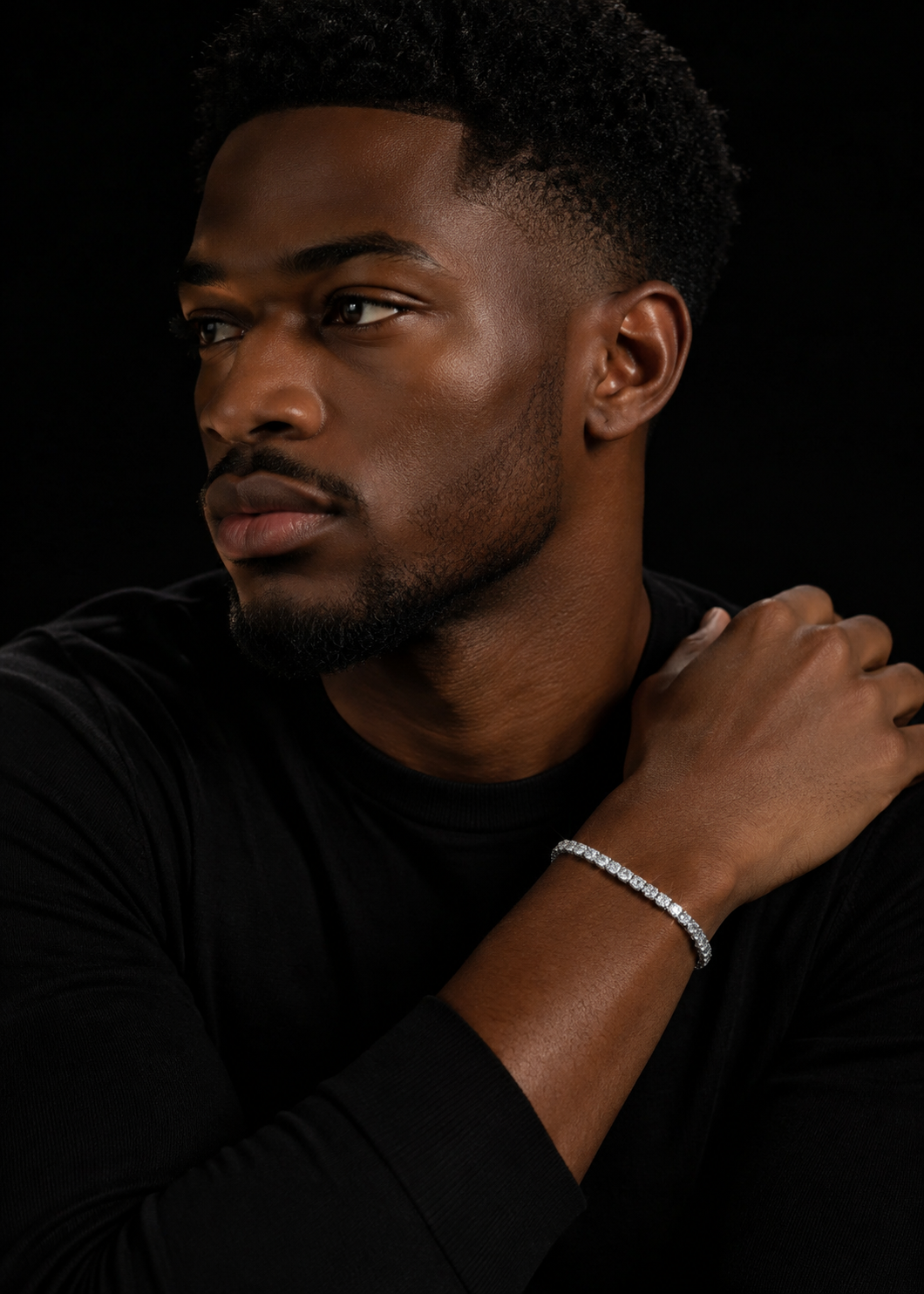
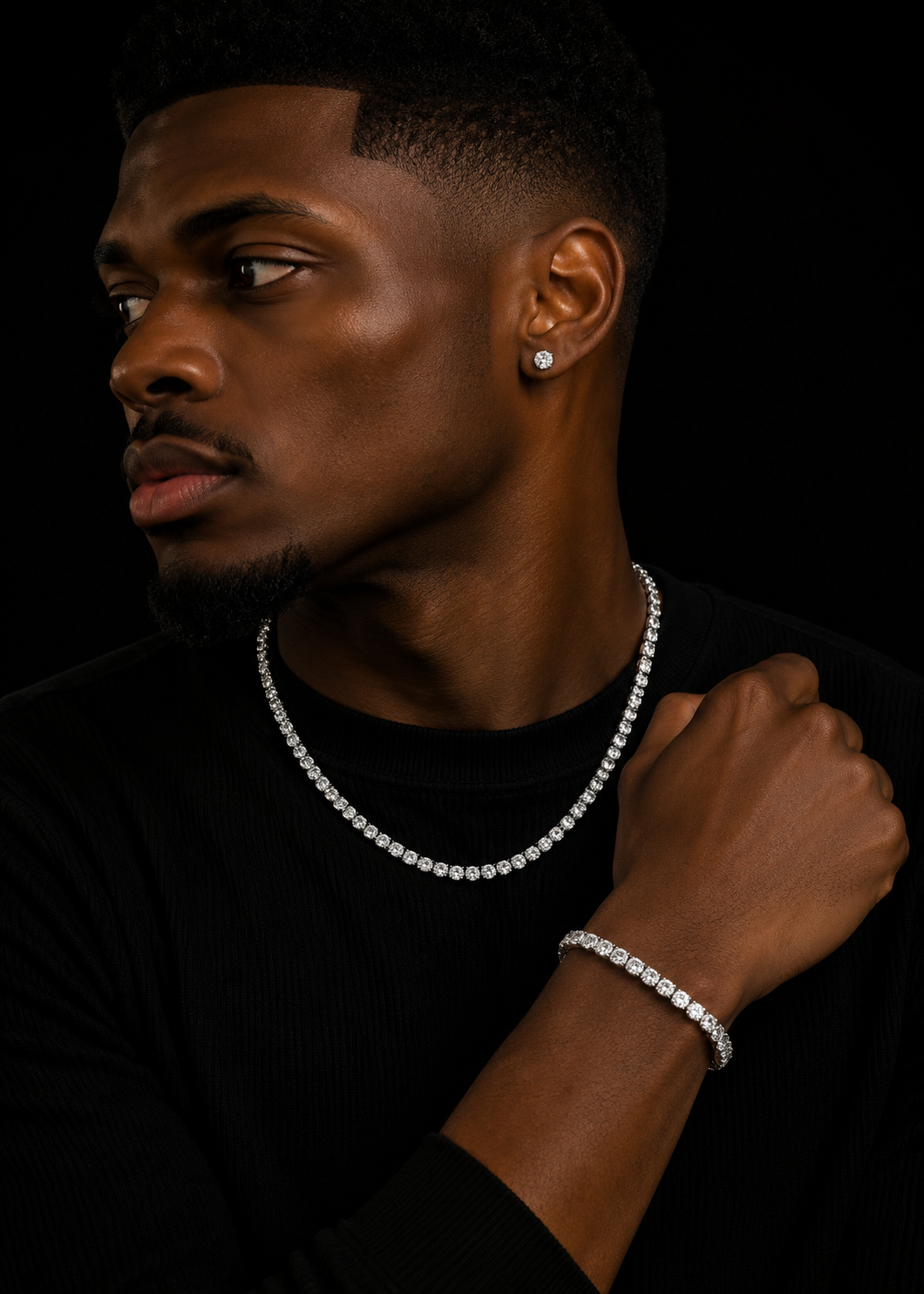
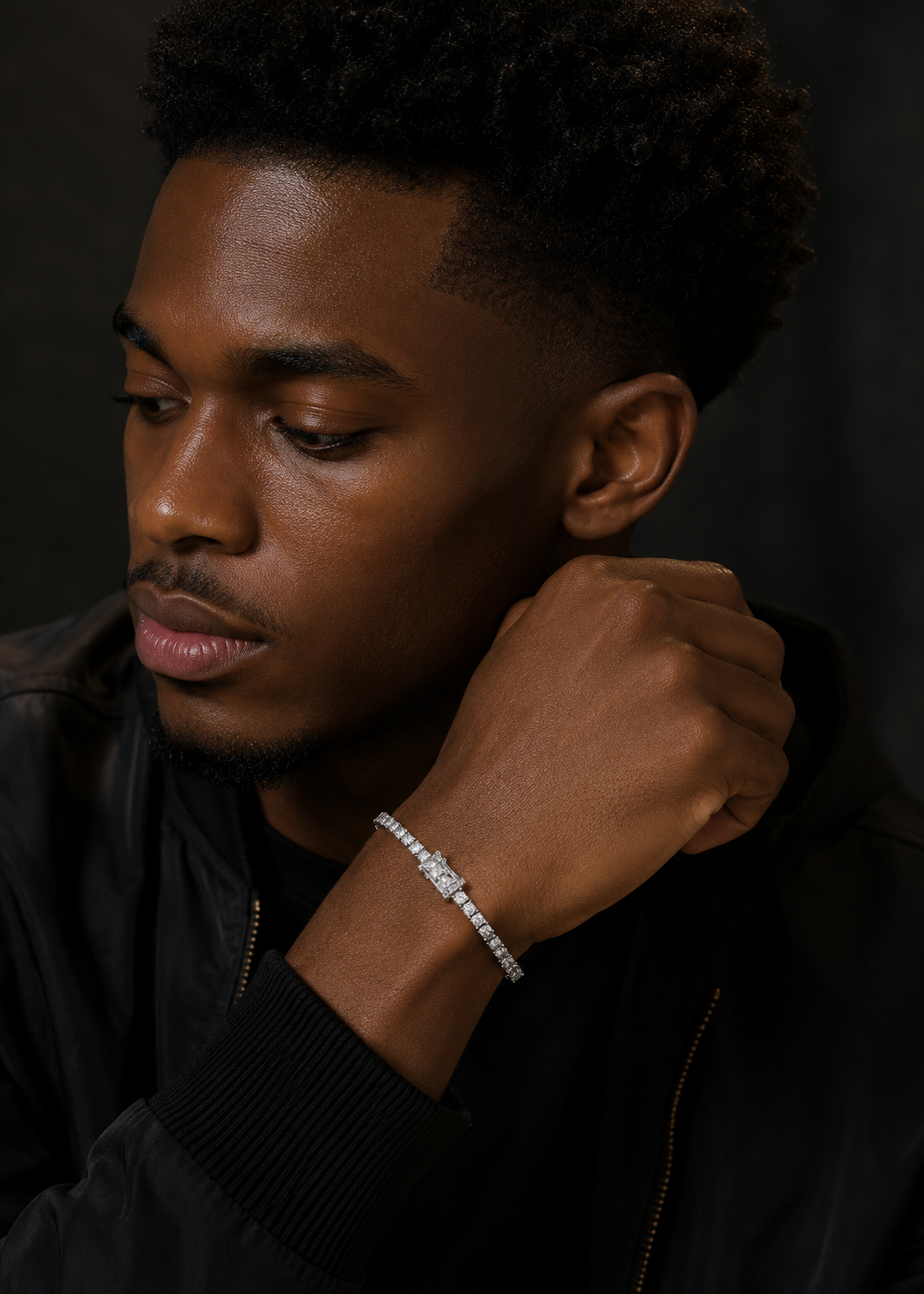
One flexible row of stones, all the way around the wrist — the tennis bracelet has not needed a redesign in forty years, and this is that row built in lab grown diamond. Same composition, same hardness as a mined stone; it was simply grown above ground instead of under it. Widths start at the slim 2MM and 3MM everyday lines and step up from there, set on 925 sterling silver or solid gold from 10K up. Each listing states its exact width, metal and length. It is the tennis chapter of our wider lab grown diamond bracelets collection, and select styles ship with an IGI report stating the carat, cut and color in writing.
The Tennis Setting, Grown Not Mined
The tennis setting exists for one reason: nothing interrupts the light. A continuous row, each link carrying a single stone, no heavy metal between them. That is exactly where a lab grown diamond earns its place — cut for fire, so the row reads bright and even the whole way around instead of flashing in one spot. Whether you are shopping a lab grown diamond tennis bracelet on its own or browsing the wider lab grown diamond jewelry range, the stone is the same: a diamond in every sense, grown rather than mined.
Choosing Your Width
Width decides everything about how the piece wears. The slim end — 2MM and 3MM — disappears under a cuff and is the easiest to stack two deep. The middle of the range is the balanced pick: read from across a table, not across a room. The widest rows are the ones built to carry the whole look on their own. Stone weight climbs with width, so check the carat and length listed on each product page. Want a width or a length that is not on this page? A row built entirely to your spec starts from the custom jewelry collection.
Silver or Gold
The metal sets the tone and most of the budget. Silver keeps the look and keeps the number sensible — the easiest way in. Solid gold steps it up, from 10K upward in white — the exact karat is called out on each piece. White gold reads coolest and keeps the stones looking their whitest — that is the tone this line leans on. On durability, lower-karat gold sits harder against daily knocks; the higher karats are softer, but finish smoother and read richer.
Cuts, Color & Certification
In a row this tight the stones sit shoulder to shoulder, so what you read is one continuous line of light rather than any single stone — which is exactly why clarity does more work here than size. Most pieces are cut to VVS, meaning nothing you would pick out by eye at arm's length. IGI-graded pieces arrive with the full color and clarity grades in writing, so you can read the 4Cs yourself rather than take our word for it. Not every piece in the line is graded — the listing tells you which ones are. Prefer a warmer flash at a different price point? Our moissanite tennis bracelets run the same silhouette in their own line, and the moissanite vs diamond guide lays out where the two stones actually part ways.
Styling Your Tennis Bracelet
On its own this row does the talking without a logo in sight — just light moving when your hand does. Two slim lines stacked read as one thicker band, while a single wide row does that job alone and still sits flat enough not to snag a cuff. Match it to a lab grown diamond ring to run the same ice from wrist to hand.
FAQ
Yes — every stone set along the row is a lab grown diamond, the same carbon crystal as a mined diamond by composition and hardness, just grown in a lab instead of dug from the ground. That holds right down to the smallest 30-pointer stones, not only the larger ones — each link is graded on the diamond scale. It isn't cubic zirconia standing in for diamond, and it isn't moissanite — that's a separate gemstone we carry in its own line.
The slim lines start around 30-pointer stones, and the wider rows climb to full multi-carat weights — a 5MM line carries noticeably more stone than a 2MM one. Each product page lists the carat weight and stone size for that piece.
925 sterling silver gives the iced look at a friendlier price. In gold, white runs 10K to 18K, and that cool white tone is what lets the stones read whitest — the karat sits on each product page. It comes down to look, budget and how the metal sits on you.
Many of the rows are IGI-certified, and where a piece is, the report covers the stones and lists carat, cut, color and clarity. It travels with the bracelet, so you can verify the grade independently at igi.org — check the individual product page to see which pieces ship with a report.
A tennis bracelet needs to sit snug, or the row spins and the stones hide against your skin — so most are made to your wrist measurement rather than a one-size length. Share your wrist size before you order, and fully bespoke lines — your stones, width and clasp — can be built to order too.
A lab grown diamond is diamond (carbon), graded on the diamond scale; moissanite is a different stone (silicon carbide) with its own brilliance and a warmer flash. Every row in this collection is lab grown diamond, while our moissanite versions are a separate line — if you're weighing the two, pick the look you like.